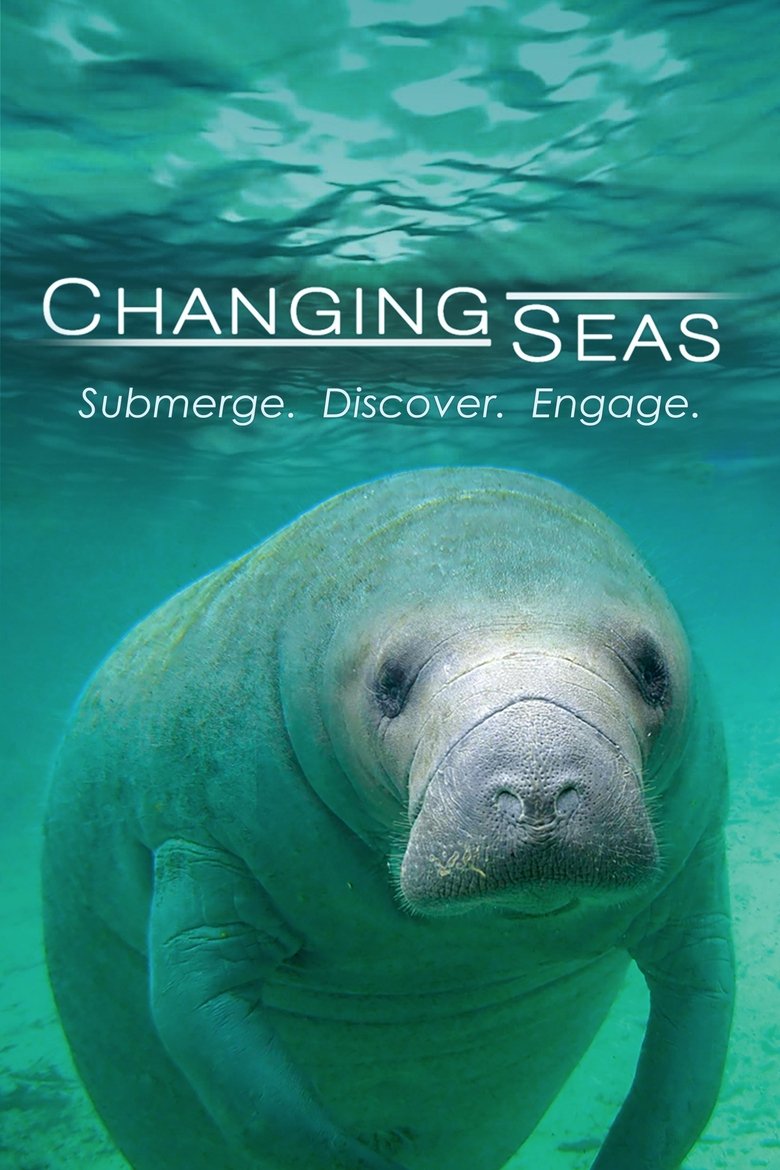
Changing Seas
Starring Craig Sechler, Peter Thomas
Submerge. Discover. Engage.
Produced by South Florida PBS in Miami, Florida, Changing Seas gives viewers a fish-eye view of life in the deep blue. Join scientists as they study earth’s last frontier and discover the mysteries of our liquid planet.
- IMDb
- 6.8/10 · 21 votes
- RATE IT
Where to watch

Magellan TV Subscription
Episodes
- Episode 1: 1. Super GrouperJanuary 27, 2009At a time when large fish are rapidly disappearing from the world's oceans, one giant is making a comeback in Florida. The Goliath Grouper was facing extinction when it became a protected species in 1990. Since then, the population has had a chance to recover. Now, some members of the recreational fishing community are pushing to re-open the fishery. But scientists studying the colossal, slow-to-mature fish say such a move would be premature. Changing Seas joins scientists in the field to learn more about the life history of these awe-inspiring fish.
- Episode 2: 2. Mission to Inner SpaceFebruary 3, 2009NOAA's Aquarius Reef Base is the only undersea research station operating in the world today. Located just three and a half miles offshore from Key Largo, Florida, at a depth of 60 feet, aquanauts spend ten day missions living and working on the seafloor. Changing Seas observed scientists during a recent mission as they studied the impacts ocean acidification is having on local reef ecosystems. Ocean acidification is caused by a change in the water's chemistry that could have potentially devastating impacts on corals in the future.
- Episode 3: 3. Corals of the DeepJune 23, 2009In the deep waters off Florida's Atlantic coast grow magnificent structures, capable of reaching 300 feet in height. These are the corals of the deep sea. Porcelain-white and centuries old, few humans have seen these delicate reefs. The Ivory Tree Coral, Oculina varicosa, and Lophelia pertusa flourish in harsh, sunless environments, yet these branch-like formations provide food and shelter for a variety of deep water organisms. Rich in biodiversity, this mysterious underwater kingdom is threatened by destructive fishing practices such as bottom trawling. However, a recently proposed 23,000 square mile marine protected area could save these fragile reefs from ruin.
- Episode 4: 4. Farming the SeaJune 30, 2009An ever-growing demand for fresh seafood has pushed wild stocks around the world to the brink. Aquaculture is one alternative to meet the increasing need for fish and crustaceans. Some aquaculture methods have been highly criticized for their negative environmental impacts, but other, more environmentally friendly techniques, are being perfected at various research institutions in Florida. Changing Seas meets with experts who produce fish for food production and to replenish depleted wild populations.
Images
Credits
- Craig SechlerNarrator (voice) · 32 episodes
- Peter ThomasNarrator (voice) · 24 episodes
Film and series details
- EPISODE LENGTH
- 27 minutes
- FIRST AIRED
- January 27, 2009
- LAST AIRED
- June 29, 2022
- PRODUCTION COMPANIES
- South Florida PBS, Symbio Studios